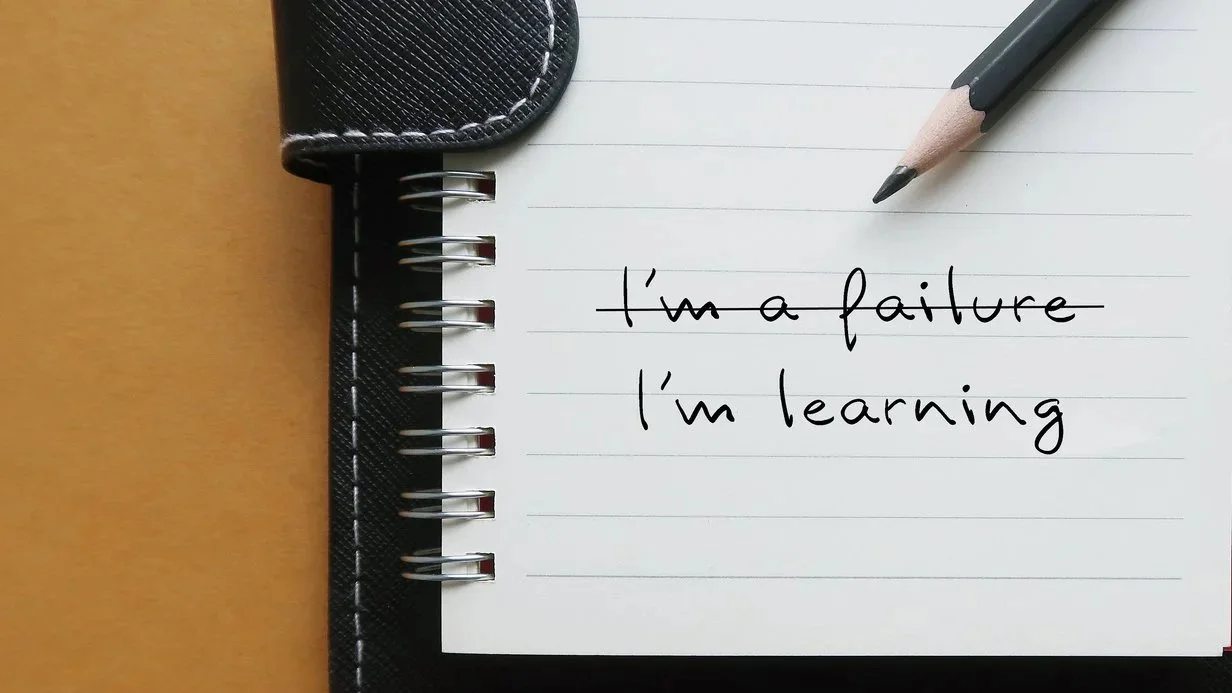
In the English language the word failure conjures up thoughts and emotions that are thick and heavily loaded with negativity. When we claim any behavior as a failure, we injure our mind, emotions, spirit, and body. When we use the word failure to describe someone else, it becomes a lethal weapon of destruction that can last a lifetime. Whether we pile the crushing weight of the word failure on our own backs or that of another, it is destructive.
Courage
Everyone fears failure. But really, we fear its consequences more. We are accustomed to believing that when something we attempt to do doesn’t work out, society will see us as flawed, broken, or inept. This is unfortunate because failure is a natural and important part of the creative process — breakthroughs depend on it. Failing is informative. It provokes exploratory thinking and new ideas. It brings our courage to the forefront and helps us stand by our convictions. The societal judgements and declarations that we cling to about failure aren’t in humanity’s best interest. Figuring out how to fail well is an important lesson that improves confidence, increases curiosity, stimulates creativity, and reinforces resiliency. That said, how do we do it?
Accept failure as a push that deepens learning and growth
Open the mind to more imaginative explorations
Readjust, refigure, recreate, relearn, rework
Remember it’s impossible to fail once in a while
Hold gratitude for the educational benefits of failure
Rely on and trust intuition more
Share experiences of failure to support and encourage others
“Replace the word failure with practice. For in truth, that’s all it really is.”